 Another summer vacation is drawing to a close as another school year starts.
Studies now show that the food our kids consume isn’t just fuel to give them energy. The choices that students (or their parents) make affect concentration, behavior, and overall health too. With “childhood obesity” becoming a hot topic of conversation as it continues to affect more of our children, we all need to consider what we’re putting in our kids’ lunches and how it will affect them. Take advantage of any opportunities you have to teach them to eat better but monitor the choices they make. Too much freedom in the lunch room can often yield less than nutritious consequences.
When I first began to consider my school lunches in junior high, I saw them as a “tide-me-over until dinner-time” option. I didn’t worry about the choices I made because I was more concerned with the “real meals” of breakfast and dinner. After all, everyone knows that breakfast is the most important meal of the day, right? Dinner (or supper) was a family meal around the table in my house (unless our schedule got carried away, as usual). Lunch, however, often came in a brown paper bag with lots of disposable pieces, only supporting my mental picture that lunch was, after all, a throw away meal.
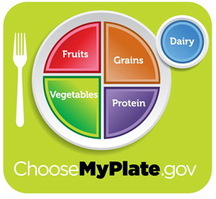
As a mother, I now go out of my way to make certain that my family has options that include fresh fruits and vegetables, protein, and whole grains. Though initially this can seem a little challenging, with practice and routine this does get easier and is worth the investment.
Protein
The USDA’s recommended daily allowances vary according to each individual. This is important to know, since the requirements for children can vary greatly from adults’. Start teaching your kids now to read labels and pay attention to what is going into their body. Preservatives like nitrates are often found in deli meats, so be certain that you read the label and that you are fully aware of what they contain. Try to avoid these ingredients whenever possible. Also watch your sodium intake since these foods can be heavily salted.
Excellent sources: nitrate-free deli meat, quinoa, eggs, cheese, yogurt.
Carbohydrates
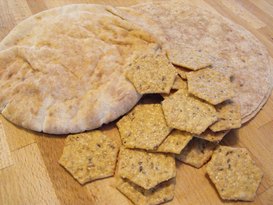 Eat whole grains whenever possible. You will really need to pay attention to the labels with this–many products that call themselves “whole wheat” have refined flour instead of whole wheat flour listed as the primary ingredient. Wheat tortillas* are an excellent example; I normally have to make them myself or go to the health food stores to find them with whole grain flour. Crackers are also normally full of simple carbohydrates, but with careful scrutiny you can find whole grain crackers too.
Excellent sources: whole grain crackers, rye crackers, stone ground wheat crackers, soaked oats, whole wheat tortillas, whole wheat pitas, whole wheat bread (Ezekiel bread is exceptionally healthy but may be an acquired taste for some kids).
Fruits and Vegetables
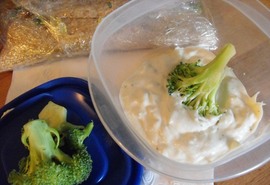 If your kids are very picky, work on this. I recommend reading Green Eggs and Ham with them. In the meantime, have them help choose fresh options from the produce department. Encourage them to try new flavors, but also try to guide them with things that are at the peak of their season for best flavor. Dips can be an excellent source of encouragement for kids that think they just don’t want to try something new. Create your own healthier dips by combining plain yogurt and herbs to dip veggies in, or yogurt and honey for fruit. Arranging the fruit/veggies on a skewer as a kebab can also work wonders at encouraging kids to eat. If you do this, trim off the sharp point on the skewer…you don’t want lunch to end up dangerous!
Quinoa: Although not a common item in most kitchens, you can find Quinoa in your local health food store throughout the year. Quinoa is a species of Goosefoot, which is grown primarily for its edible seeds. Although it is widely viewed as a grain, it is actually closely related to spinach, beets and Swiss chard. When cooked, it has a creamy, slightly crunchy texture with a nutty flavor.
Healthy Turkey Roll-Ups
Number of servings: 2
Per Serving 620 calories
Fat 13 g
Carbs 120 g
Protein 16 g

My kids love these--neither one of them would ever consciously request lettuce on a sandwich. With the roll-up, however, the lettuce just blends right in and they don’t even notice.
Ingredients
Directions
Spread tortilla with mayonnaise, top with turkey and remaining ingredients. Secure with a toothpick and slice to desired serving sizes.

RELATED LINK:
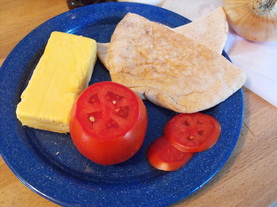
Beef and Cheddar Pitas